English GB
 Français
 Deutsch
 Italiano
 Español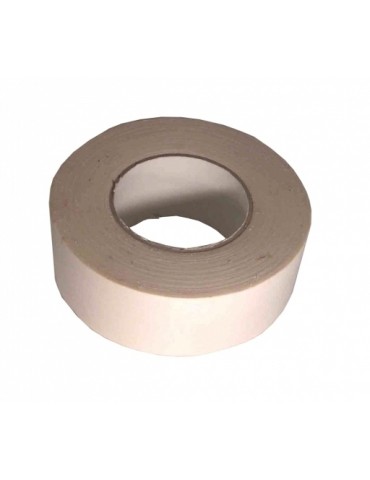






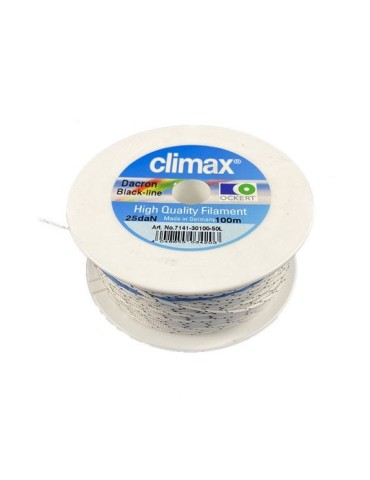
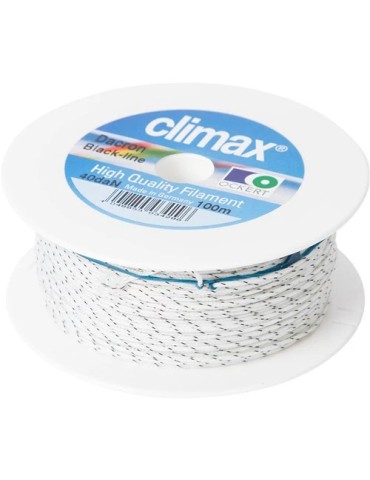
Twisted nylon line, ideal for single-line kites, also usable for dual-line kites.
 Payment Methods : Visa, MasterCard, PayPal, ApplePay, GooglePay, TWINT and IBAN.
 Your order will be shipped with a tracking number within 1 to 3 days via the Post Office.
 Returns and cancellation policy.
The twisted nylon line is mainly used for single-line kites, thanks to its strength and durability.
It can also be used for dual-line kites, although for precision flying, it is recommended to use Dyneema line, which is lighter and less elastic, ensuring better responsiveness and accuracy.
How to make your choice?
Explanations:
🪁 Single-line kites
Line strength (kg)
| Kite size
| Recommended line length
|
20–30 kg | Small single-line kites (0.5–1.5 m) | 20–30 m |
40–60 kg | Medium single-line kites (1.5–2 m) | 30–50 m |
80–150 kg | Large festival kites (2–5 m) | 50–150 m |
200 kg and more | Very large single-line kites (octopus, bols, giant structures) | 100–300 m |
🎯 Stunt kites (2 lines)
Line strength (kg)
| Wingspan
| Line length
|
20–40 kg | Small stunt kites for kids (1–1.5 m) | 20–25 m |
40–60 kg | Recreational stunt kites (1.5–2 m) | 20–35 m |
70–90 kg | Adult stunt kites (2–2.5 m) | 25–40 m |
100–150 kg | Large precision/trick kites (2.5–3 m) | 30–50 m |
💨 Power kites (2 or 4 lines)
Line strength (kg)
| Kite size
| Line length
|
70–100 kg | Small power kites (1.5–2.5 m²), strong wind, beginners | 20–25 m |
100–150 kg | Medium (3–4 m²) | 20–30 m |
200–300 kg | Large kites (5–7 m²) | 20–40 m |
400–500 kg | Very large traction kites (8–12 m²) | 25–40 m |
👉
The larger the kite, the higher the line strength should be.
The longer the lines, the slower and more stable the flight.
The shorter the lines, the more lively and responsive the flight.
You might also like